

Gir Interpretation Zone, Devalia
Gir National Park and Sanctuary does not have a designated area for tourists. However, to reduce the tourism hazard to the wildlife and to promote nature education, an Interpretation Zone has been created at Devalia within the sanctuary. Within its chained fences, it covers all habitat types and wildlife of Gir with its feeding-cum-living cages for the carnivores and a double-gate entry system.
The Gir Forest National Park and Wildlife Sanctuary (also known as Sasan-Gir, and Gir forest) is a forest and wildlife sanctuary near Talala Gir in Gujarat, India. Established in 1965, with a total area of 1,412 km2 (545 sq mi) (about 258 km2 (100 sq mi) for the fully protected area of the national park and 1,153 km2 (445 sq mi) for the Sanctuary, the park is located 43 km (27 mi) north-east of Somnath, 65 km (40 mi) south-east of Junagadh and 60 km (37 mi) south-west of Amreli. Its ecoregion is that of Kathiawar-Gir dry deciduous forests, which not only includes Kathiawar Peninsula, where the forest is located, but also other places, like Ranthambore National Park in Rajasthan.
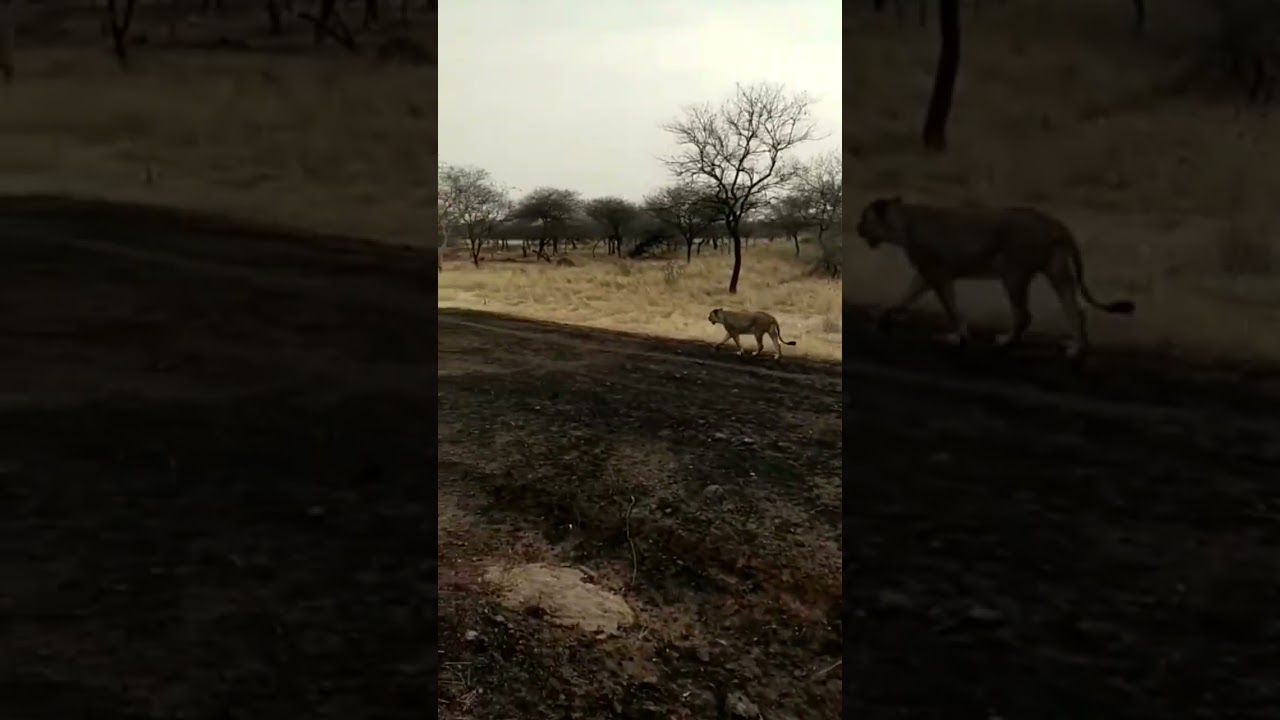
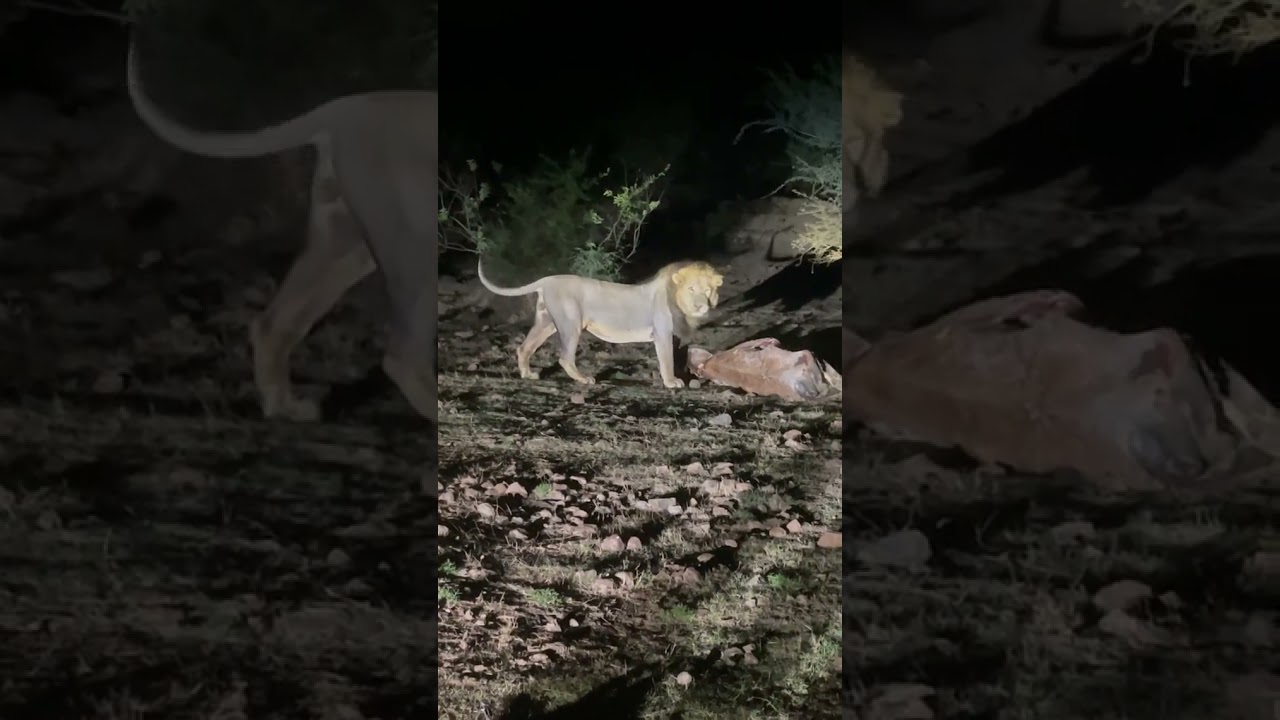
Its region is the sole home of the Asiatic lion (Panthera leo persica) in the wilderness, and is considered to be one of the most important protected areas in Asia due to its supported species. The ecosystem of Gir, with its diverse flora and fauna, is protected as a result of the efforts of the government forest department, wildlife activists and NGOs. The forest area of Gir were the hunting grounds of the Nawabs of Junagadh. However, faced with a drastic drop in the lion population in Gir, after British viceroys brought to his attention the plight of the lion in Asia, the sanctuary is the jewel of Gujarat’s ecological resources. ,. His son, Nawab Muhammad Mahabat Khan III. later assisted in the conservation of the lions whose population had plummeted to only 20 through slaughter for trophy hunting.
The 14th Asiatic Lion Census 2015 was conducted in May 2015. In 2015, the population has been 523 (27% up compared to previous census in 2010). The population was 411 in 2010 and 359 in 2005. The population of lions in Junagadh District has been 268, Gir Somnath District has been 44, Amreli District has been 174 (highest increase) and Bhavangar District has been 37. There are 109 males, 201 females and 213 young/cubs.
****************************
Gir India Films HD channel
Getting to the world’s only one channel. We are giving first time Gir forest and wildlife lovers best video-based social networking experience and first to be appeared in front of the world
Do you know ? Endangered Big cat Asiatic Lion live in world’s only one Habitat which is India’s great Gir forest sanctuary !!!
So welcome you ! we encounter Asiatic lion with you in real.
It is our humble attempt through this channel to provide information about the species Asiatic Lion standing on the verge of extinction. We are trying to give correct information by removing misunderstanding spreading about Asiatic lions.
We are working last 25 years in the surrounding Gir forest area, We have more than 10000 unique, amazing and rare videos footage huge archive about Asiatic lion, leopard, biodiversity and African origin “Siddi” community. We provided most useful information about Gir forest Wildlife, Biodiversity and Endangered species Asiatic lions Unique, Ultimate and Unbelievable video footages.
So please quickly SUBSCRIBE to get Unimaginable videos, stories and information on our channel. And watch continuous Steady stream of videos from across India.
https://www.youtube.com/c/girindia
Please write to us to licensing this stock footage.
Reach us at: girindiafilms@gmail.com
source